

Pelvic Floor Disorders
Pelvic floor disorders can affect the bladder, bowel and reproductive organs, causing symptoms that can be uncomfortable, disruptive and even debilitating.
At New Jersey Urology, we offer both surgical and non-surgical treatments designed to relieve symptoms, restore function and improve your quality of life.
Female Pelvic Floor
The pelvic floor is a combination of muscles, ligaments and connective tissues that support the pelvic organs – the bladder, vagina, uterus and rectum. The pelvic floor can be weakened by a combination of factors including childbirth, repeated heavy lifting, the effects of menopause and aging, surgery, and chronic medical and neurological conditions.
Pelvic floor disorders are common, affecting over 50 percent of women, and significantly impacting quality of life. They can lead to depression, social isolation, and avoidance of physical and sexual activity due to discomfort and embarrassment.
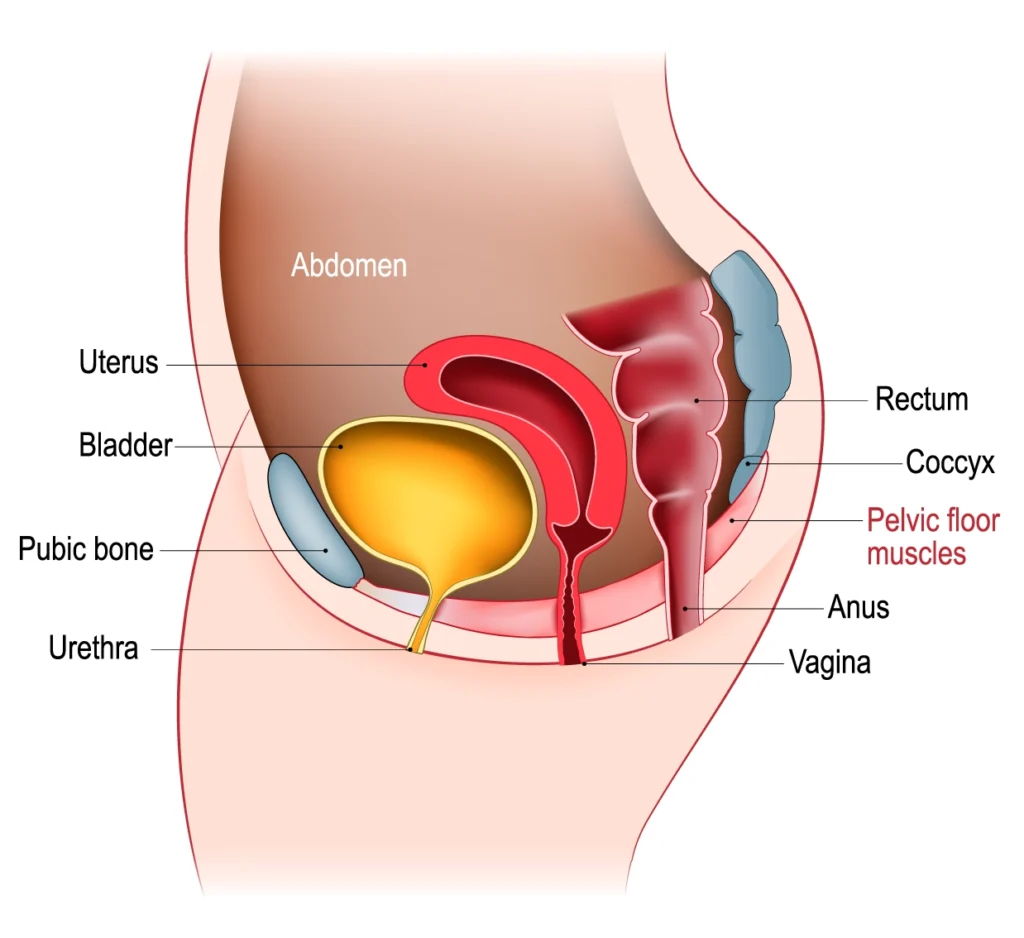
Common symptoms and conditions of pelvic floor disorders
- Pelvic pressure, heaviness, fullness or aching
- A bulge or feeling of pressure in the vagina
- Urinary leakage, especially when coughing, laughing or exercising
- Frequent or urgent need to urinate
- Difficulty starting urination or completely emptying the bladder
- Frequent urinary tract infections
- Pain or discomfort with urination
- Constipation or difficulty with bowel movements
- Leakage of stool or difficulty controlling gas
- Pelvic or vaginal pain
- Urgency or difficulty making it to the bathroom in time
- Pain or discomfort during sexual activity
- Pelvic organ prolapse, including bladder, uterine or rectal prolapse
- Voiding dysfunction or urinary retention
Diagnosing pelvic floor disorders
Treatment for pelvic floor disorders
Treatment for pelvic floor disorders depends on your symptoms, the underlying cause and your personal goals. Many conditions can be managed with non-surgical approaches, while others may benefit from minimally invasive procedures or surgery. Your provider will discuss your options and develop a personalized treatment plan based on your needs.
Treatment may include pelvic floor physical therapy, lifestyle and behavioral changes, medications, bladder or bowel training, or supportive devices such as a pessary. When additional treatment is needed, minimally invasive procedures or surgery may be recommended to repair weakened tissues, restore pelvic organ support or improve bladder and bowel function.
At New Jersey Urology, our specialists offer a range of treatment options and will work with you to find an approach that provides meaningful symptom relief and helps restore your comfort, function and quality of life.
Get relief from pelvic floor symptoms
To learn more, contact a provider or one of our locations — or schedule an appointment.